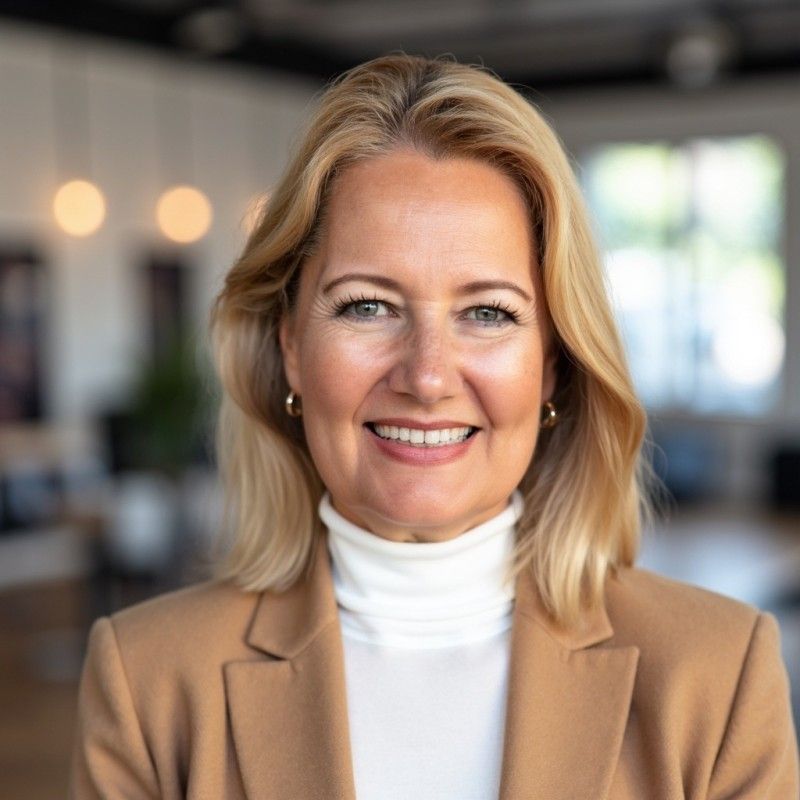
Karen S. Coltrane
Museum Crafters is led by Karen S. Coltrane, a museum executive and advisor who brings the operator's perspective to museum planning: not just what a museum will look like, but how it will function, earn revenue, serve families, and sustain its mission.
Discuss Your Museum ProjectMuseum leadership

Children's Museum of Richmond, Richmond, VA
President and CEO · 2004–2014- Opened the first network of satellite children's museums in the nation
- Recognized by Charity Navigator as the fourth best financially managed museum in the United States in 2014
- Collaborated with the local YWCA to open a museum-based childcare center, and with the United Way to assume responsibility for the region's children's Book Bank
- Took over operations of Richmond's 75-year-old Legendary Santa tradition
Children's Museum of the Lowcountry, Charleston, SC
President and CEO · 2022–2025- Redesigned a stalled $12M whole-museum renovation
- Raised the funds and completed the renovation in less than three years for $2M
- Opened a satellite location in a historic Rosenwald School in an underserved rural area
Broader leadership
- 35+ years of nonprofit leadership, five CEO roles
- Higher education, healthcare, trade associations, human services
- Former national board member, Big Brothers Big Sisters of America
How operating experience shapes the advice
A children's museum answers to three pressures at once: the mission it exists to serve, the experience families actually have when they walk in, and the financial performance that keeps the doors open. Those aren't three separate problems to trade off against each other. They're one system. And a museum that gets any one of them wrong will eventually feel it in the other two.
That's why the business model comes before the exhibit floor plan. Before anyone draws a gallery, we answer the operating questions: what can this museum earn, what might it cost to run, who will help fund the building, and how will it fund its future? Design follows those answers, not the other way around. When design comes first, you get a beautiful facility wrapped around a business that doesn't work.
I learned this by running museums day to day for nearly 20 years. I've taken a museum out of debt, merged two institutions, and opened satellite locations in two states. I've made payroll in lean months and rebuilt a stalled capital campaign. The advice I give is the advice I wish someone had given the leaders who founded the museums I would operate later: know what you can sustain before deciding what to build. Beautiful gallery and exhibit illustrations are not a plan.
Working directly with Karen
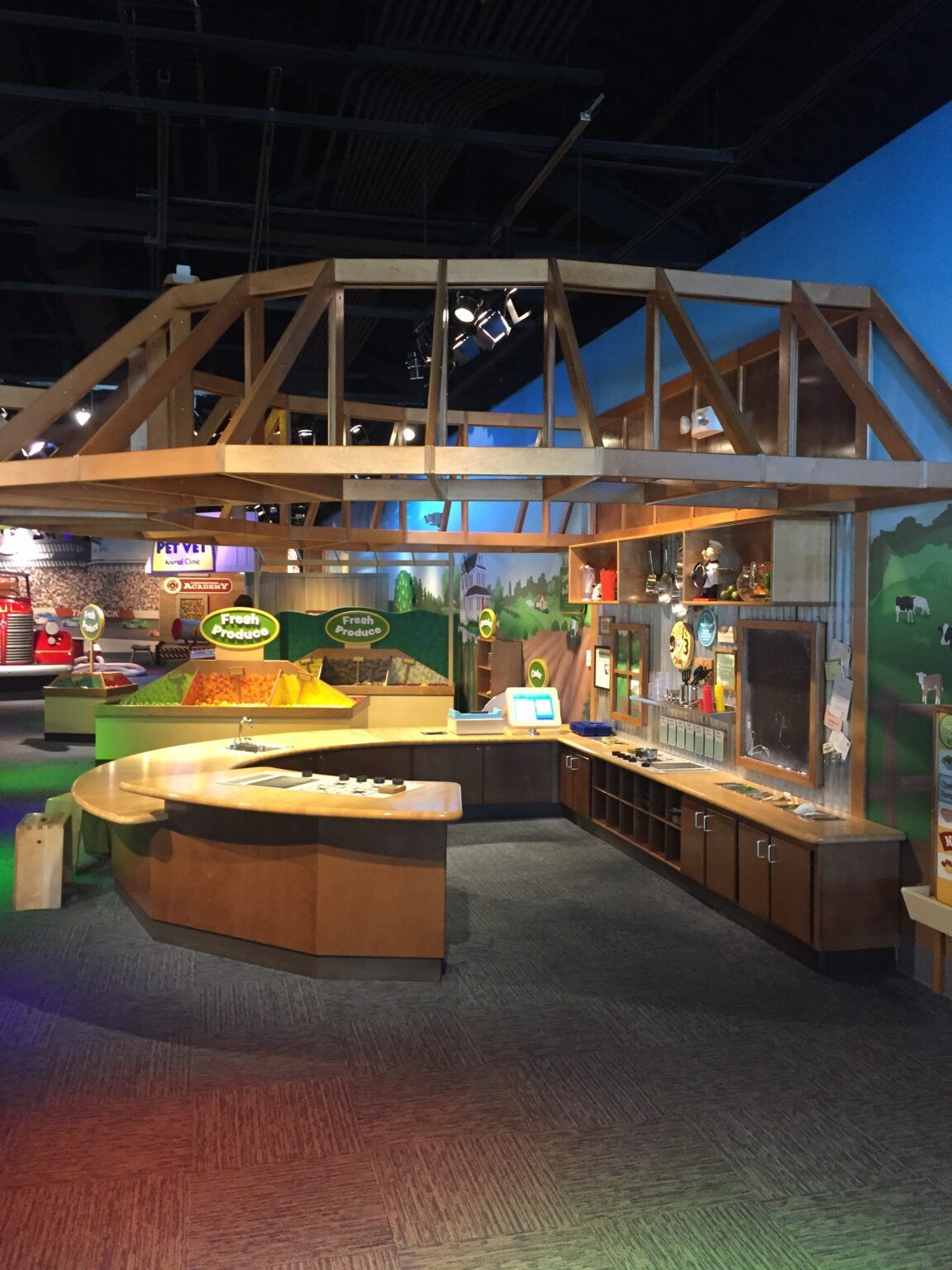
You work directly with Karen rather than a team of junior consultants. She leads every engagement herself, from the first call through the final presentation of findings, and she comes to you: feasibility findings are presented in person, and the work includes time on site in your community.
When specialists join
Specialists join when the work calls for them: an architect once the program is tested and there is something real to design to; exhibit designers and fabricators during concept planning, when their pricing and practical input shape the concepts; and independent researchers for interview-based work when the volume calls for extra hands. Karen coordinates them, so you still have one point of contact and one accountable lead.
Education and credentials
The Citadel
College of William & Mary
Governance Consultant
College of Charleston School of Business
College of Business, Innovation, Leadership, and Technology, Marymount University
A Substack newsletter
Subscribe