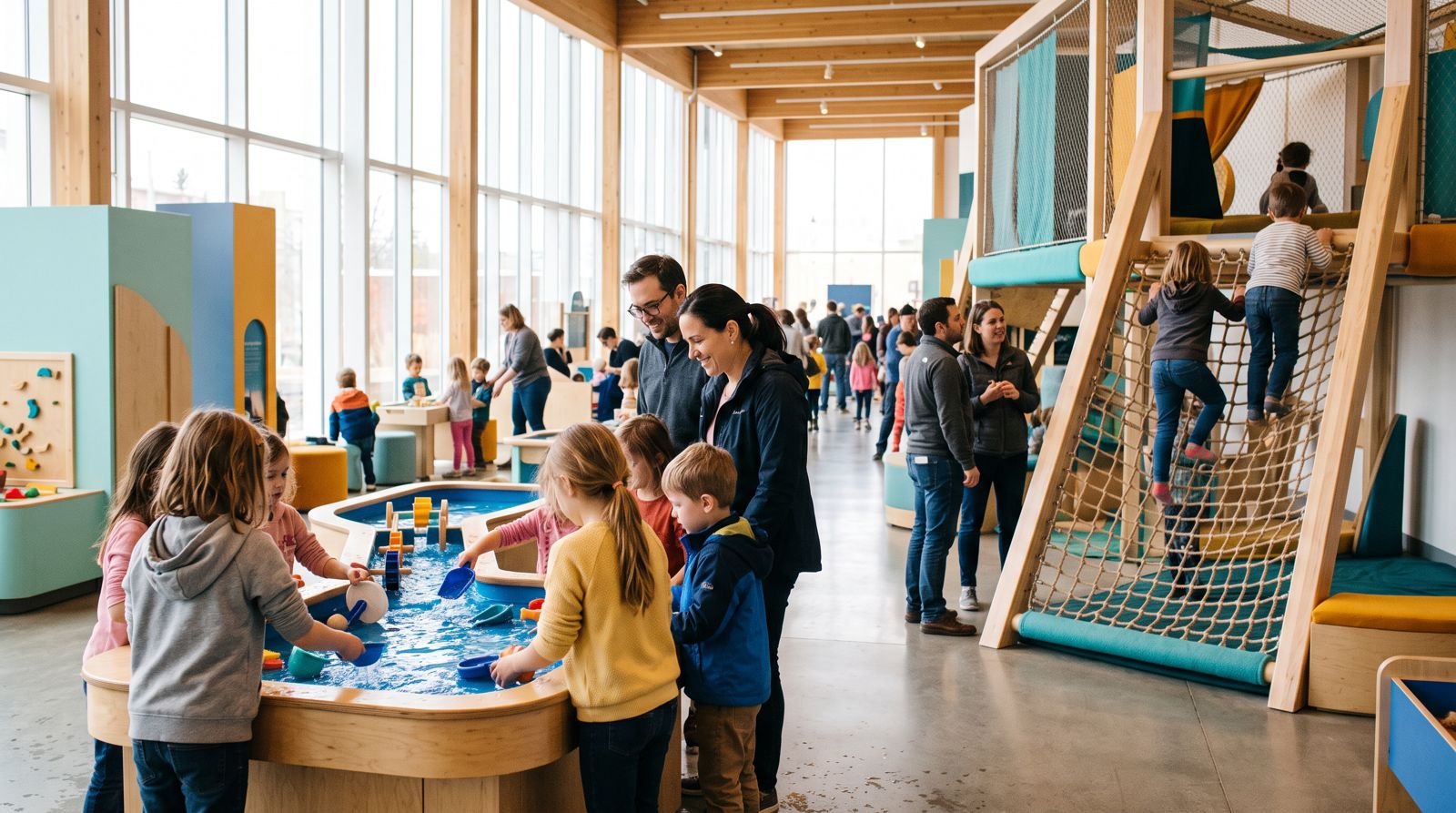
Plan a museum your community can build and sustain.
Museum Crafters helps communities turn a museum vision into an informed plan. We test the business model, assess philanthropic potential, develop museum and exhibit concepts, and support the capital campaign. Experienced museum leadership guides each step.
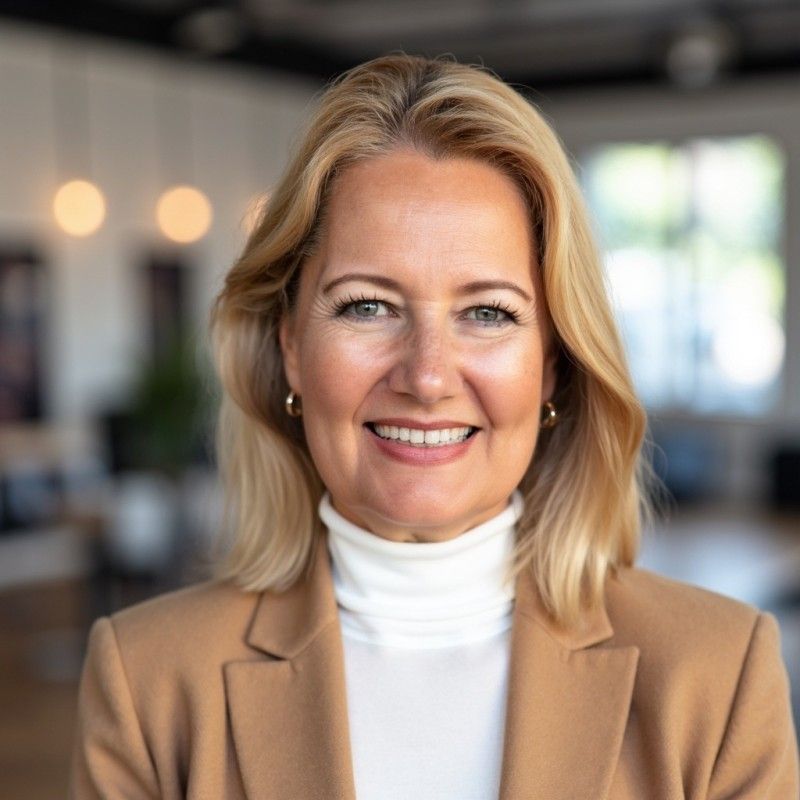
Led by a museum CEO, not a design studio.
Karen S. Coltrane has led children's museums in Columbia, SC and Richmond, VA. As President and CEO of EdVenture, she took the museum out of debt for the first time in its history, led a merger with a second museum, and opened a satellite location. [Add other verified openings, expansions, and campaign results.]
Know what you can sustain before deciding what to build.
Museum planning involves connected decisions about audience, revenue, fundraising, space, and exhibits. Museum Crafters helps you test the financial assumptions early, so later investments in planning and design rest on a clearer foundation.
A compelling design cannot resolve an untested business model.
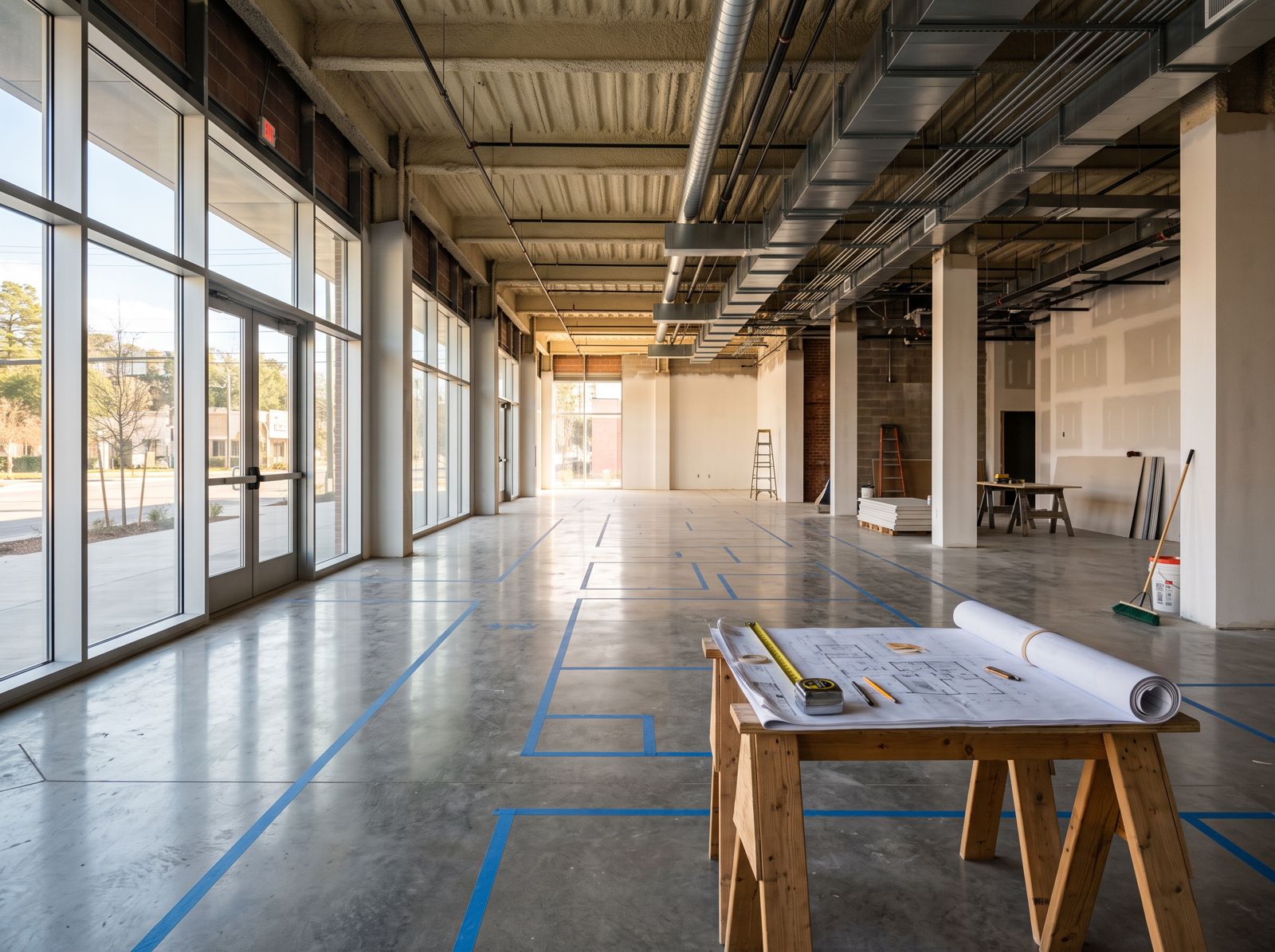
How we help
Museum Feasibility Studies
Understand what your community can support before committing to costly design.
Museum & Exhibit Planning
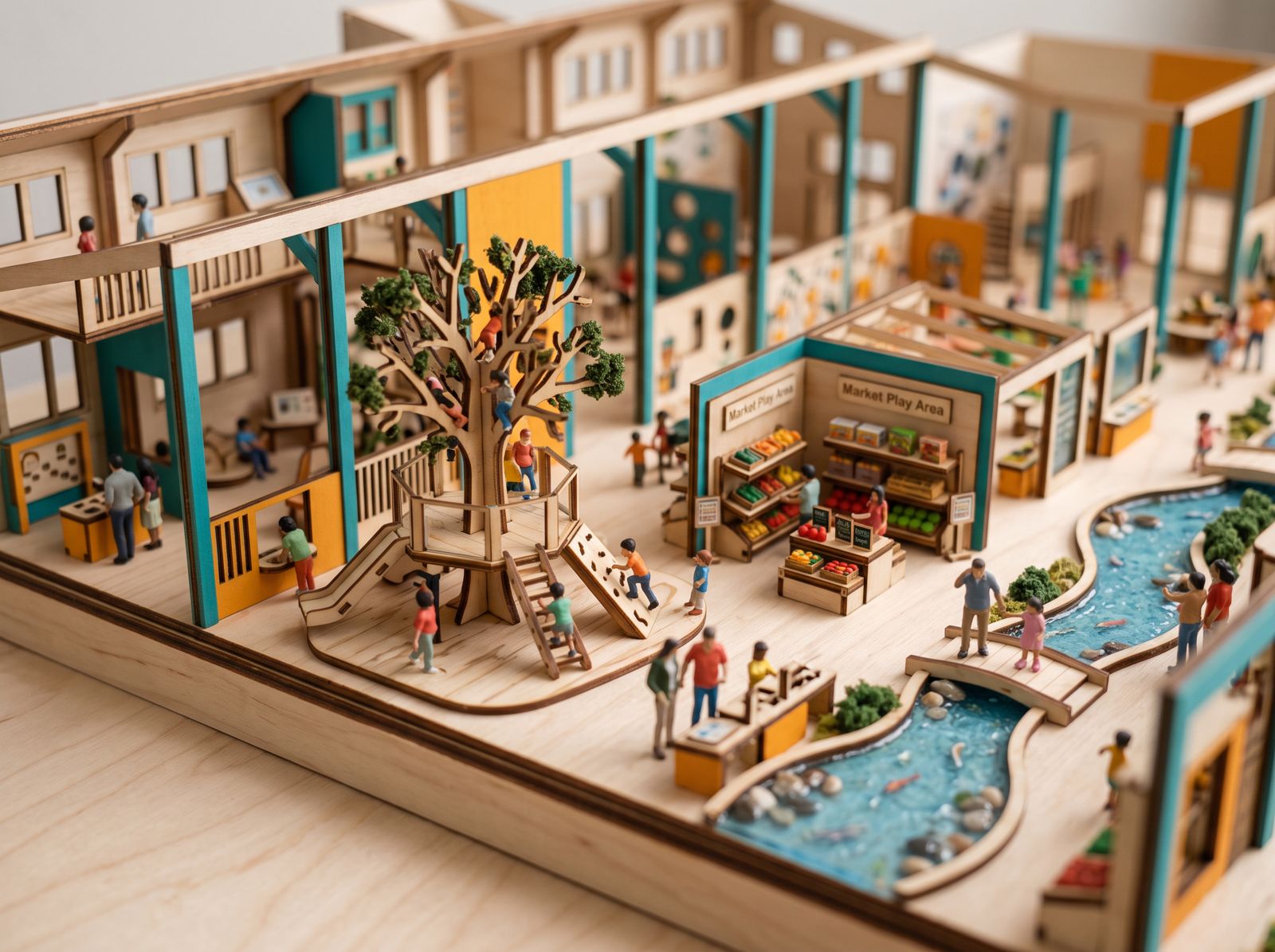
Turn your mission and budget into a museum concept people can understand and help shape.
Museum Capital Campaign Support
Experienced, hands-on support for the work that moves a museum campaign forward.
A planning sequence, not a rigid rule
- Test the business model
- Assess funding potential
- Plan the museum experience
- Support the campaign
Projects enter at different stages, and planning and fundraising may overlap. We help identify the next decision your project needs to make.
The operator's perspective on museum planning
Not just what a museum will look like, but how it will function, earn revenue, serve families, and sustain its mission.
Meet KarenQuestions we hear often
Each answer links to the matching service.
What is included in a children's museum feasibility study?
A feasibility study has two parts. The market-based business model ($19,500, about 4 weeks) uses population density, drive-time, and competitive and similar community analysis to project attendance and admissions, retail, and rental revenue in conservative, likely, and optimistic scenarios, and ends with an in-person presentation of findings. The funding feasibility study ($27,500, about 5 months) interviews 12 to 15 philanthropic and community leaders to gauge their response and estimate potential charitable support for a new or upgraded facility. Together: $47,000. See feasibility study details
What is the difference between business feasibility and funding feasibility?
Business feasibility answers an operating question: what could a museum here earn, and what would it take to sustain it? Funding feasibility answers a philanthropic question: will community leaders support it, and at what level? You need both, because a museum that can't sustain itself operationally and a museum nobody will help fund to build are two different problems, and the two studies together are what define an informed facility-size range. See feasibility study details
How do you determine an appropriate museum size?
Size follows the numbers, not the wish list of exhibits. Attendance and revenue projections from the business model, combined with the estimate of charitable support from the funding study, set a facility-size range your community can actually sustain. Museum and exhibit planning drive the overall square footage, which is then broken down by gallery and experience area, with exhibit concepts and approximate costs so you can make choices and rank exhibit areas by importance with the cost to develop them as part of the decision set. See museum and exhibit planning details
Should we hire an architect before completing a feasibility study?
We recommend against it. A compelling design cannot resolve an untested business model, and an architect needs a tested program to design to; otherwise you're paying to design a building before you know what you can sustain. The sequence is: test the business model, assess funding potential, plan the museum experience, then bring in design. If you've already engaged an architect, we can enter at whatever stage your project is in, and help the architect make more operationally informed design choices. See where feasibility fits
Can Museum Crafters help an existing museum expand?
Yes. The same sequence applies: a business model for the expanded operation, a funding study for the campaign, concept planning for the new or reworked space, and campaign support (a $5,000 to $7,000 monthly retainer, typically a one-year engagement) while you raise the funds. Expansions get the same discipline as new builds: know what the bigger museum can sustain before deciding what to build. See capital campaign support details
Museum Shop, Managed
Outsourced museum gift shop purchasing and inventory management. More time with guests, less time managing stock. Planned fees from $1,000 per month.
What does your museum project need next?
Tell us what you are planning, what you have already completed, and the decisions you need to make.
Discuss Your Museum Project